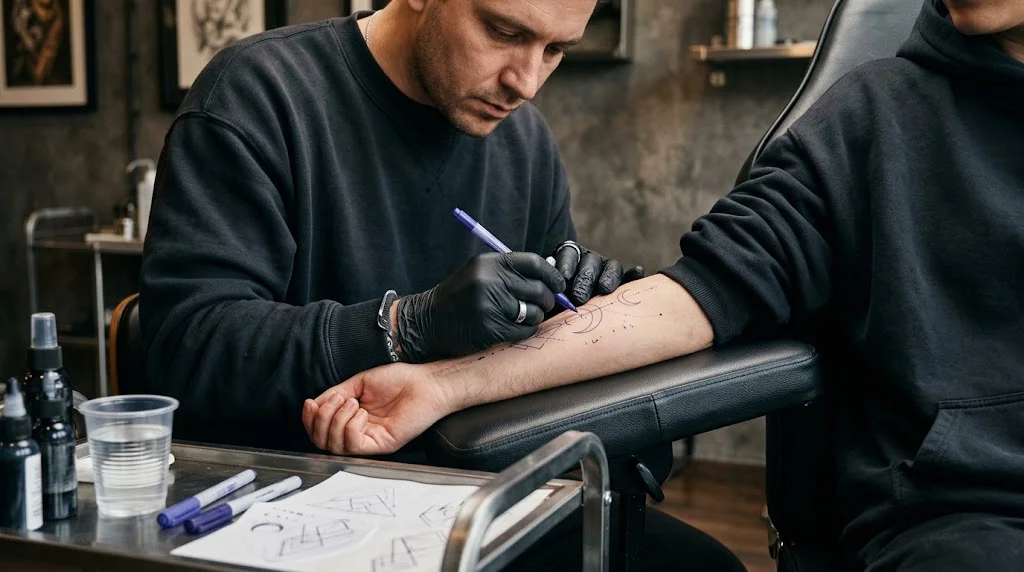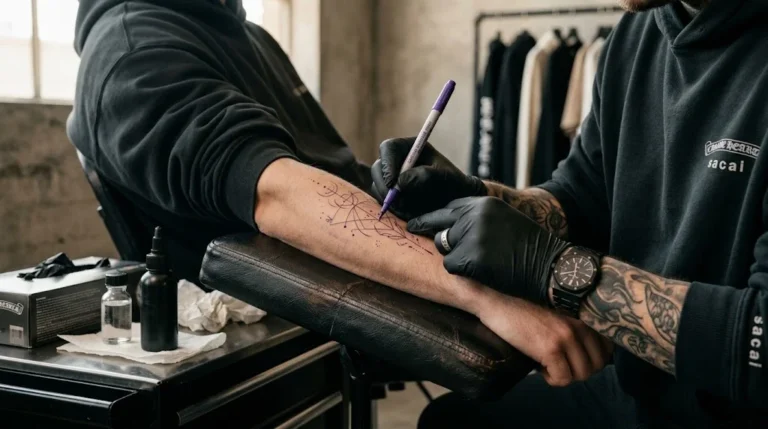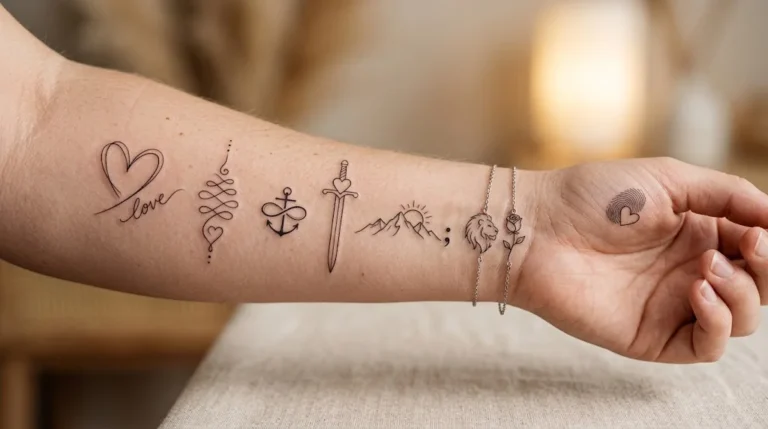
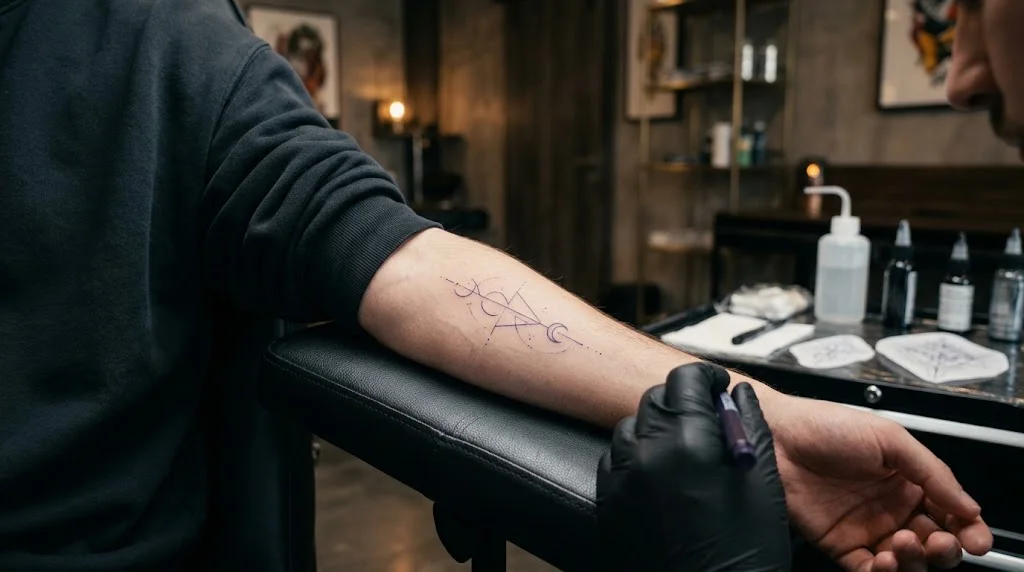
The tattoo skin marking pen is a vital instrument for tattoo artists, allowing them to create intricate designs before the actual tattooing process begins. This tool provides a way to visualize the tattoo on the skin, ensuring that every detail is just right. The precision offered by a marking pen can make a significant difference in the final outcome of the tattoo, ensuring it aligns with the client’s vision.
Meaning, History, & Cultural Significance
Historically, body marking has been an integral part of various cultures around the world, signifying rites of passage, status, and identity. The use of a tattoo skin marking pen connects modern tattoo practices with these ancient traditions, allowing artists to sketch designs that respect cultural significance while also pushing creative boundaries.
The Evolution of Tattoo Tools
From traditional methods using natural dyes to modern skin marking pens, the tools of tattooing have evolved significantly. Here’s a brief overview:
| Time Period | Tool Used | Technique |
|---|---|---|
| Ancient Times | Sharp Objects | Hand-poked tattoos |
| 19th Century | Electric Tattoo Machine | Machine-assisted tattooing |
| 21st Century | Tattoo Skin Marking Pen | Design visualization before tattooing |
Design Variations, Styles & Ideas
When it comes to tattoo designs, the possibilities are endless. Below are some popular styles that can be effectively utilized with a tattoo skin marking pen:
- Fine Line Tattoos
- Minimalist Designs
- Geometric Patterns
- Watercolor Effects
Comparing Tattoo Styles
| Style | Description | Best For |
|---|---|---|
| Fine Line | Delicate and intricate lines | Detailed imagery |
| Minimalist | Simple but impactful designs | Subtle art |
| Geometric | Shapes and patterns | Modern aesthetics |
| Watercolor | Vibrant color blends | Artistic expression |
Best Placement Options for Tattoos
Choosing the right placement for your tattoo is crucial, as it can affect visibility, personal expression, and pain levels. Here are some common placements along with their pros and cons:
- Wrist: Easy to show off; can be painful.
- Shoulder: Good for larger designs; less visible.
- Back: Plenty of space; can be hidden.
- Ankle: Subtle; may hurt due to bone proximity.
Pros and Cons of Tattoo Placements
| Placement | Pros | Cons |
|---|---|---|
| Wrist | Visibility, artistic expression | Painful, potential for fading |
| Shoulder | Versatile, larger designs | Less visibility |
| Back | Ample space, hidden | Requires more time |
| Ankle | Subtle, unique | Painful, limited visibility |
Pain Levels, Process & Aftercare
The process of getting a tattoo involves several steps, and understanding pain levels associated with different placements can help in making an informed decision. Generally, areas with more flesh and muscle tend to be less painful compared to bony areas.
The Tattoo Process
- Consultation with the artist
- Design approval using a tattoo skin marking pen
- Skin preparation
- Actual tattooing
Aftercare Essentials
Proper aftercare is crucial for healing and preserving the quality of the tattoo. Here are some key aftercare tips:
- Keep the tattoo clean and dry.
- Apply a healing ointment.
- Avoid sun exposure.
- Do not pick at scabs.

Frequently Asked Questions
A tattoo skin marking pen is a tool that allows tattoo artists to sketch designs on the skin before the actual tattooing process, ensuring precision and alignment.
Typically, the markings from a tattoo skin marking pen can last a few hours to a day, depending on the skin type and the environment.
Yes, most tattoo skin marking pens are designed to be skin-safe and are used widely in the tattoo industry.
No, regular markers can contain harmful chemicals that may irritate the skin. It’s best to use designated tattoo skin marking pens.
Consider personal significance, aesthetics, and placement when choosing your tattoo design. Use the marking pen to visualize different options on your skin.
Communicate with your tattoo artist; they can make adjustments before starting the tattoo process.
Follow aftercare instructions meticulously to ensure proper healing and preservation of the tattoo’s quality.
Conclusion
Mastering the tattoo skin marking pen can transform the tattooing experience, allowing for creativity and precision. By understanding its significance, exploring design variations, and considering placement and aftercare, you’ll be well on your way to achieving the tattoo of your dreams.